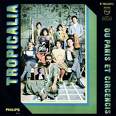
Pretty pleased with my haul, which included the following two fine examples of Brazilian cover art:


They'd look even better on those big record sleeves we used to get...

 To open the evening Orquestra Imperial (featuring Moreno Veloso, son of Caetano) do an excellent hour-and-a-half-long set with about twenty musicians on stage. More than once they complain that they are not used to people in the audience sitting and listening rather than dancing along. Ironically, in a set of mostly perfectly danceable Brazilian songs, it's an instrumental version of a song by stodgy prog rockers Yes--"Owner of a lonely heart"--which finally gets them to their feet!
 ...my first visit to the Barbican's current "Tropicalia" season, celebrating the Brazilian artists who made their name in the rebel songwriters' movement of the sixties. Tom Ze is billed as the "most radical of all the Tropicalistas still alive". To prove the point, he opens with his new operetta on the subjugation of women, hitting an early note of visual slapstick which continues throughout when he and a fellow singer don hard hats and hit each other rhythmically on the heads with mallets. Ze runs around the stage like a twelve-year-old: amazingly he is seventy. To his credit, for the benefit of the non- Portuguese speakers amongst us, he does attempt the occasional explanation in his schoolboy English for his on-stage antics and apparently hilarious lyrics (annoyingly, the Brazilian couple sitting next to me are in stitches all night). Despite the long-winded explanations I have read about the influences on his music--which, according to Wikipedia, "appropriates samba, bossa nova, Brazilian folk music, forró ... American rock and roll ... dissonance, polytonality, and unusual time signatures"--I find his music pretty accessible and not too difficult to get my head round on even on first hearing. I do know that for a pensioner, he moves pretty fast...
